

RESOURCES
Gain the financial clarity
you need at every step.
Read expert guides on achieving financial independence so you can confidently maximize your wealth and your time.


How Tariffs Affect The Economy
Financial markets are experiencing volatility due to concerns over rising costs, potential retaliatory tariffs, and broader economic slowdown.

What to do When Stocks Are Down
Whether you're a seasoned investor or just starting out, knowing what to do when your stocks are down can make the difference between panic-driven mistakes and smart, calculated moves.

Determining Which Investments to Withdraw From First
When preparing for retirement, there are many recommendations about how much money to save and where to save it. But many people feel lost as to how to withdraw their funds.

Using Real Estate to Fund Retirement
There are plenty of stories of people outliving their retirement savings, especially if they live long past their life expectancy. One way to make ends meet at that point is to sell your home or take equity out of it.
How Many Funds Should I Own For Retirement?
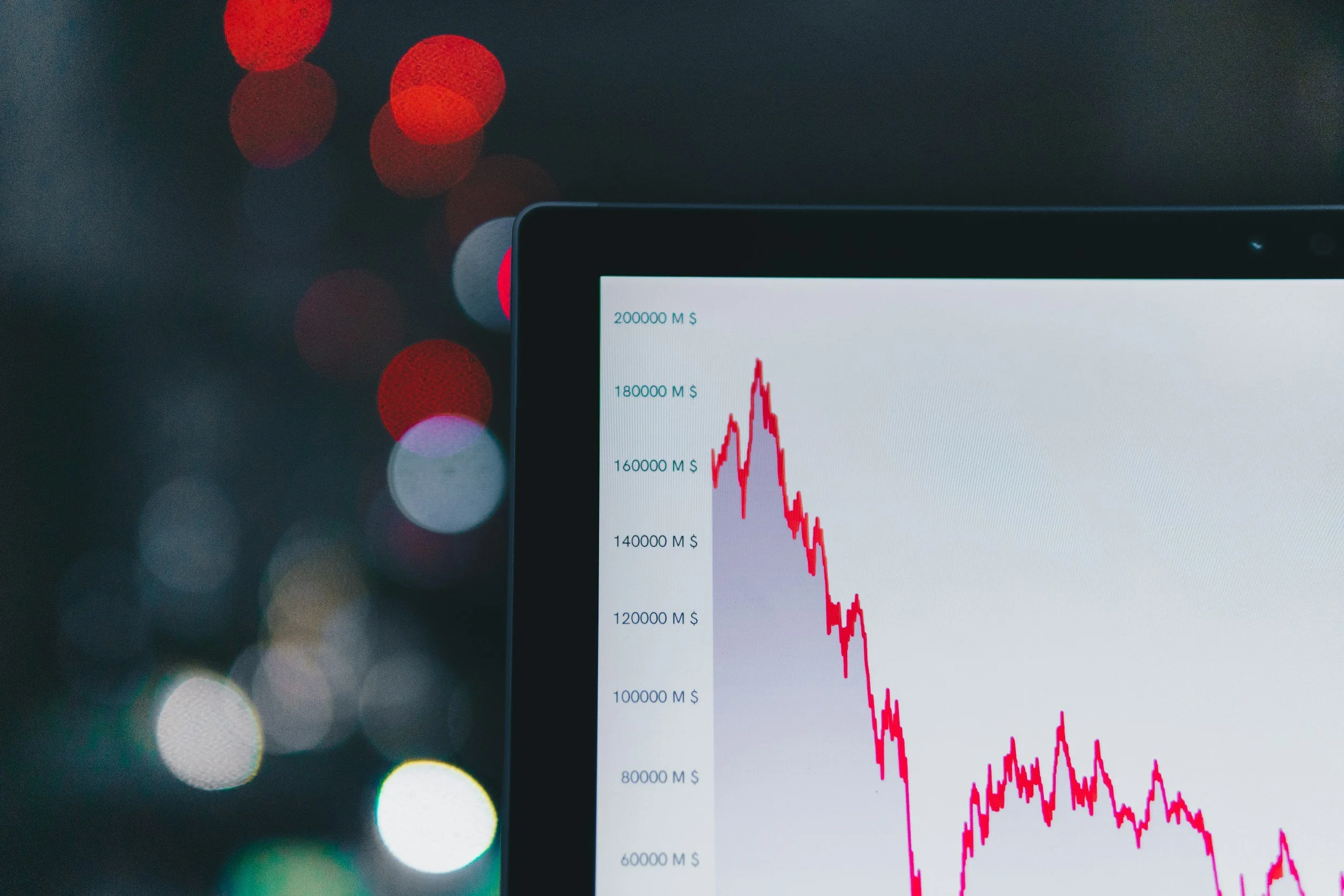
The number of funds you should own is going to depend on your investment goals, risk tolerance, and portfolio diversification strategy.

How Risky Should Your Retirement Portfolio Be?
The amount of risk you can take in retirement depends heavily on your retirement income vs. your expenses. There is no one size fits all approach.

Beware of the 100 Minus Age Rule
Determining what your asset allocation really should look like depends on a lot of different factors that the 100 minus age rule shortcut can't tell you.

The Best Portfolio Tracker Combines Tracking with Retirement Planning
Good portfolio tracking software should also show you the fees you pay for funds you own, performance history, historical balances, and historical transactions across accounts.

Asset Allocation By Age: Be Wary Using Rules of Thumb
Be careful using rules of thumb for your asset allocation. Dialing down your exposure to stock market volatility as you get older still makes sense, but possibly not to the degree you expect.

When You Should Have an Aggressive 401(k) Allocation
To the degree you can stand it, you should usually be as aggressive as possible with your 401(k) allocation, and your investments generally. The longer your time horizon to use the money, the more aggressive you should be.

How Inflation Affects Stocks
Inflation is raging and many investors don't know what to do. There are are a few investments that willl serve as a good hedge against rising inflation.

Should You Play the GameStop Game?
We've got nothing to add to the GameStop saga--what happened and why, its David-vs-Goliath narrative (only half true), what more should be done to protect individual investors from themselves (if anything).

Which Asset Allocation Is Right For You?
Taking too much risk in retirement can lead to major problems when the market has a severe downturn. Not taking enough risk when young means leaving a lot of money on the table.

Market Timing Loses In The Long Run
Hindsight may be telling us we should have sold in March. Don't listen.

Market Volatility And Your Retirement Plan
Markets are showing a pattern of extreme calm followed by periods of extreme volatility. The last 30 years of stock market performance do not appear to be normally distributed. It is very important to be able to run scenarios on severe market downturns to stress test your investments and retirement plan.

How Emerging Markets Can Fit Into A Retirement Portfolio
Taking some risks with your portfolio can lead to higher returns over time. Over time" is important; in the short run, high risk can do damage to a portfolio--and a retirement plan. Emerging markets investments have a place in most portfolios. The question is how much.

Are You Paying Too Much For Your Investments?
High fees can take a big bite out of your investments. Index funds, with low fees and passive management, normally outperform their more expensive, actively managed peers over time. It's a good idea to review your investments on an annual basis to make sure fees are reasonable and asset class balances are where you want them.

Diversification Can Save A Retirement Portfolio In A Recession
The main reason that treasuries do well when stocks don’t is that the market usually predicts that the Federal Reserve will lower interest rates to fight off a recession or an impending recession. Another reason is what is called “flight to safety”, which means a lot of investors are moving their money out of stocks and into less volatile, much safer treasury bonds.

When To Take More Risk In Your Retirement Portfolio
If you don’t take enough risk when you’re young, you might not be able to retire when you want.. If you take too much risk when you’re older, you can be hurt badly by a serious market downturn. Diversification still works and is most important when you’re older.
A Look At The Last Two Recessions Using A Retirement Plan
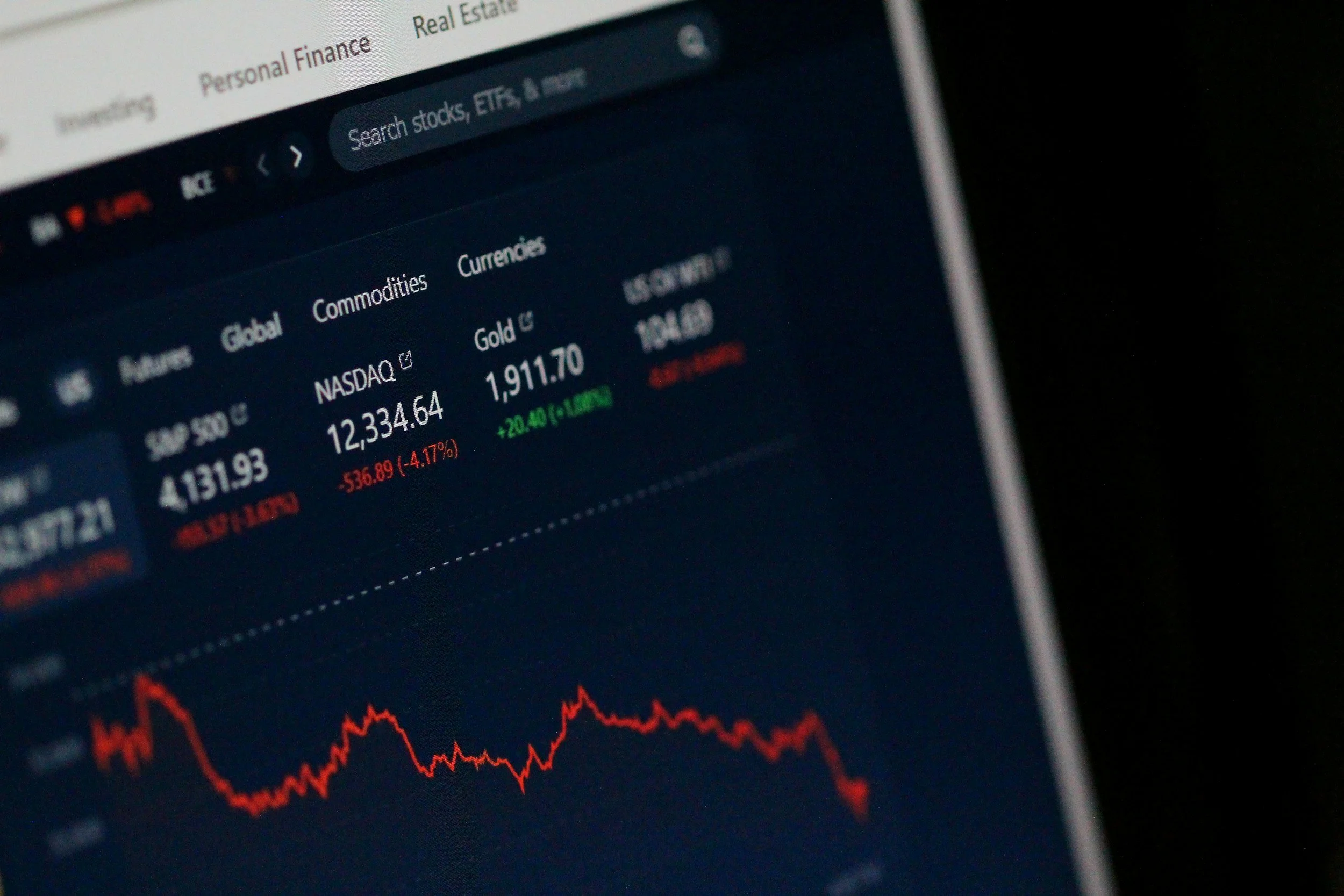
Most of us have read about the benefits of diversifying our investments. The key benefit, in theory, is that when some assets decline, others will go up at least partially reducing the pain of a serious market downturn.