

RESOURCES
Gain the financial clarity
you need at every step.
Read expert guides on achieving financial independence so you can confidently maximize your wealth and your time.

Beware Of High Dividend Yield Stocks
Since bond yields fell by more than half during the 2008/2009 financial meltdown and recession, many people in retirement sold their bond holdings and bought stocks with relatively high dividend yields, hoping to make up for the lost bond interest. But as a lot of investors have found out, dividends are not the same as bond interest, especially if we’re talking about treasury bonds.

A Look At Historical Stock Returns And What It Means For Investing
For those in retirement or very close to it, a 15% decline in the stock market over just a few short months can be gut-wrenching. This is of course why so many of us in the personal finance industry beat the drum of diversification so often. But what about people who have 20 to 30 years until they will need the funds from their retirement accounts? Should they really worry too much about month to month and even year to year gyrations in the stock market?
Fund Fees Are Moving Towards Zero
In August, Fidelity announced that it was launching a couple of index funds that would be free to invest in--that is, their expense ratios would be 0%. Between Fidelity Zero Total Market Index (FZROX) and Fidelity Zero International Index (FZILX) funds, you get globe-spanning passive equity investments with no fees attached.

Don't Assume Rosy Returns Forever In Your Retirement Plan
This example shows just how important stock returns are to a retirement plan. The power of compounding cannot be underestimated when we are talking about long periods of time. On the flip side, one should not underestimate what a long period of stock market stagnation can do to a portfolio either.

Understand Your 401(k) Fees
Fees can be a killer to a retirement portfolio, and the problems compound over time. Many people investing in the company’s 401(k) plan have no idea what the fees are on the funds they invest in. They also have no idea if they are paying a 401(k) administrative fee.
Dividend Payouts Are Breaking Records
In the first quarter of 2018 not one single company in the S&P 500 cut its dividend. This is the first time this has ever happened. At this rate, 2018 will post its seventh straight record in terms of dividend payouts for companies.

An Easy Way To Compare Mutual Fund and ETF Fees
Know what your fees are, and figure out what they cost you. A high expense ratio on a fund with a relatively low balance, while not great, may not affect your overall total returns all that much. That high expense ratio on investments with larger balances, though, will be problematic.

Dividend Growth Is On The Rise
Dividend payers in the S&P 500 index had a pretty good year in terms of boosting their dividends. Over 20% of the companies in this index increased their dividends so far this year. Also of note, not a single company in the S&P 500 decreased their dividends, which has not happened since 2011.

Market Volatility And Your Retirement Plan
Volatility in the stock market is back. Or maybe it’s just back this week. Who knows?

Dividend Stocks For Retirement
When looking at income-generating investments, it’s tempting to just pile into the big dividend payers. You might think you have done your homework by looking at a company’s most recent 10-year history of dividend payments and reviewing its history of returning capital to shareholders.

What Is The Best Asset Allocation For A Successful Retirement Plan?
When we talk about "asset allocation," we are, broadly speaking, referring to where you're investing your money. Over longer periods, the more willing you are to take some risks with your money in the stock market, the better your returns will be.

Living Off Of Dividends In Retirement
One definition of a worry-free retirement is not having to worry about where the money is coming from. As I have written before, "You are truly retired (or able to retire) when your passive income covers your expenses."

Retirement Income Strategies For Today's World
If you're retired, or close to it, you probably know the story. Income--especially guaranteed income--is hard to come by these days. 10-year treasuries yielded 2.3% at the end of November of this year. Ten years ago, that number was nearly double, at 4.5%; 20 years ago, it was 6.1%.

Negative Interest Rates Might Be Coming To The U.S.
It once seemed impossible, but many developed nations are pushing interest rates into negative territory- http://www.latimes.com/business/la-fi-negative-interest-rates-20160219-story.html.
Stocks Down Again, But Rising Dividend Yields Could Help
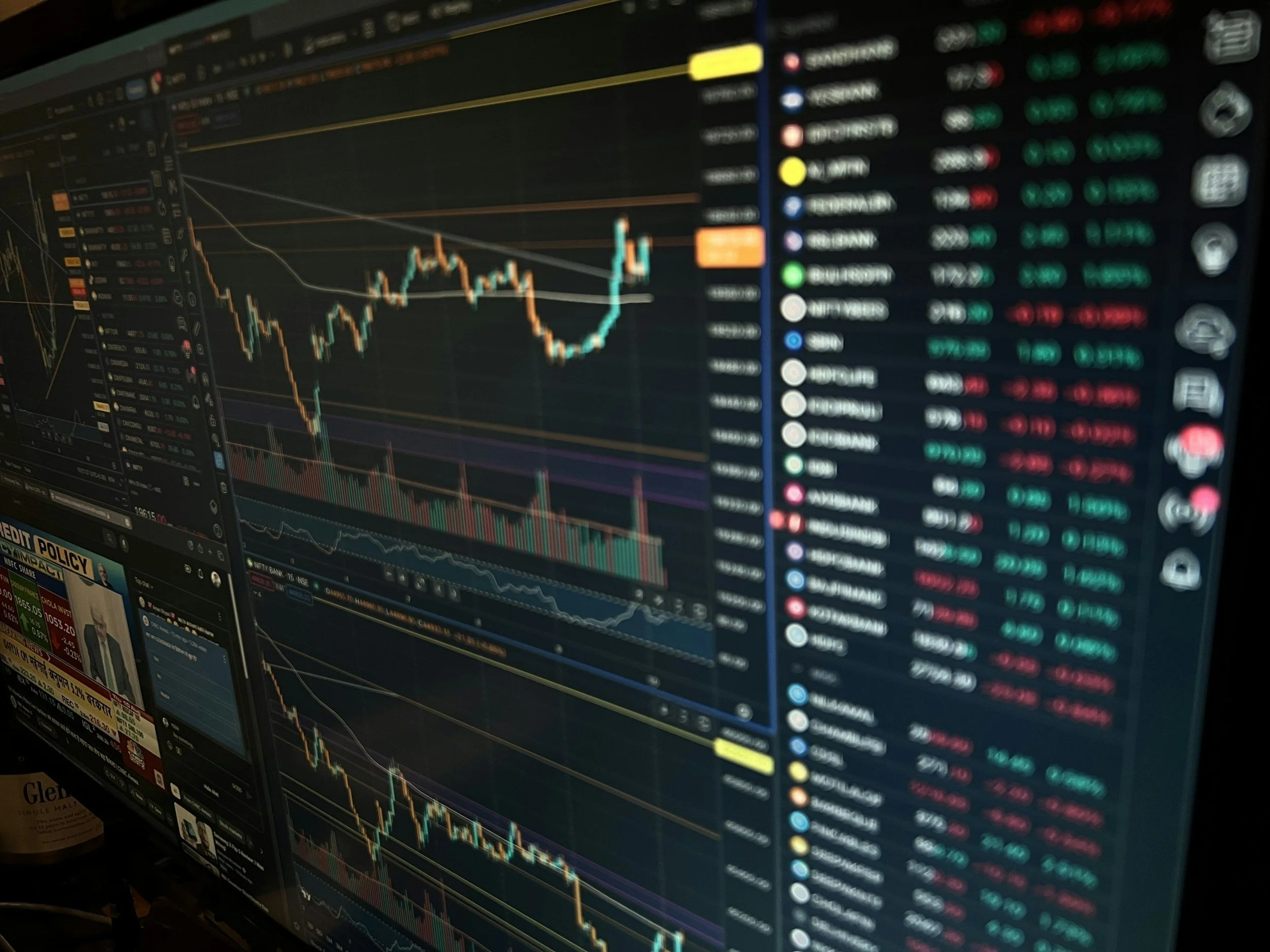
The market is having fits again. But you can take advantage by locking in higher dividend yields for retirement.
Oil Companies For Retirement
No one can consistently predict where stocks will go in the short run, but everyone can predict, with reasonable confidence, where stocks will go in the long run: Up. If your time horizon is long enough, you can be reasonably confident (though of course not 100% sure) that a diversified portfolio of stocks will make money.

Market Volatility Is Creating Opportunities For Your Retirement
Market unpredictability can be nerve wracking without a doubt, particularly in case you're in or close to retirement. Be that as it may, it can likewise prompt some valuation inconsistencies: excellent, high-yielding organizations at a bargain. So we've done some screening to discover a few great companies worth investing in.

Where To Turn As Dividend Yields Fall
Even with dividend yields falling over the past few years as the stock market continued to rise, the growth of dividends over that time frame has more than offset the declining yield.
Lock In Exxon's Dividend Yield Now
The carnage in the energy industry continues as oil has dropped below $40 per barrel, a level not seen since 2009. The biggest name of the bunch, Exxon (XOM), has not been unaffected either. Exxon's stock price is down 25% from the peak seen in mid-2014.