

RESOURCES
Gain the financial clarity
you need at every step.
Read expert guides on achieving financial independence so you can confidently maximize your wealth and your time.


Dividend Yield Vs. Dividend Growth: Kimberly-Clark Vs. Wal-Mart
When looking to build a long-term portfolio of stocks that pay high dividends, investors usually come up with a mix of stocks that either have high dividend yields or high dividend growth rates. It is difficult to find good companies that have both. This means that there is often a choice to be made. All else equal, should one invest in the company that has that enticing high dividend yield, but a low dividend growth rate, or does one exude patience and invest in the company with a relatively low yield, but a high dividend growth rate? To help answer this question I looked at two companies that offer these different alternatives: Kimberly-Clark (KMB) and Wal-Mart (WMT).

Verizon Or Coca-Cola For Dividends? Dividend Yield Vs. Dividend Growth
When looking to build a long-term portfolio of stocks that pay high dividends, investors usually come up with a mix of stocks that either have high dividend yields or high dividend growth rates. It is difficult to find good companies that have both. This means that there is often a choice to be made. All else equal, should one invest in the company that has that enticing high dividend yield, but a low dividend growth rate, or does one exude patience and invest in the company with a relatively low yield, but a high dividend growth rate? To help answer this question I looked at two companies that offer these different alternatives: Verizon (VZ) and Coca-Cola (KO).

Analyzing ADP's Dividend Potential
The power of growing dividends over time continues to be underestimated by many investors. Many are concerned with another decade of slow growth and low to negative equity returns. However, one way to prepare for another decade of slow economic growth is to invest in high dividend yield stocks that have shown they can weather tough economic times and even increase their dividends while it happens.

How Advisors Can Help Find The Optimal Asset Allocation For Clients
One of the best ways for advisors to help clients with their retirement portfolios is to change their asset allocation strategy. Sometimes this means reallocating their investment mix to a more aggressive approach and sometimes this means reallocating to a more conservative mix.
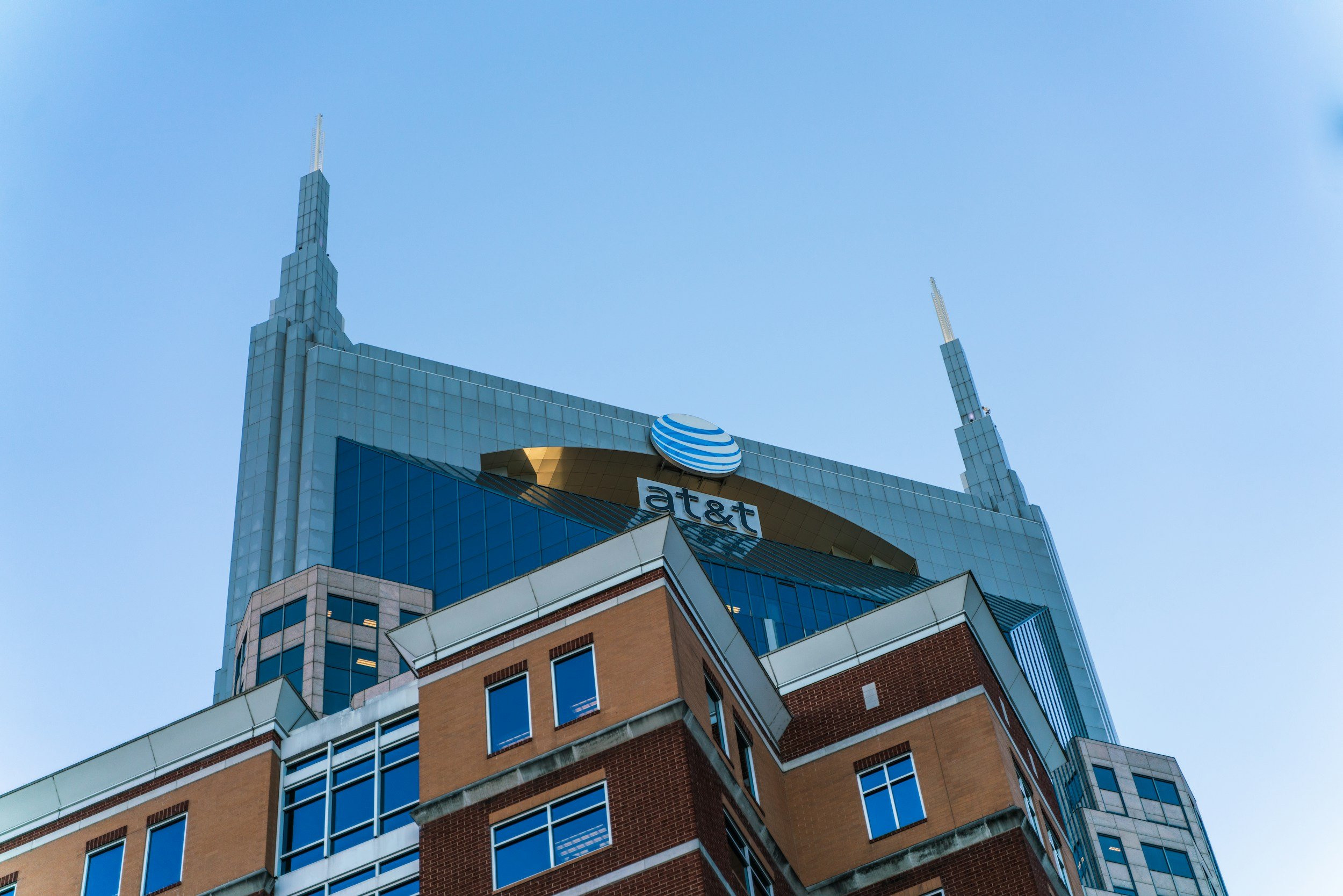
Dividend Yield Vs. Dividend Growth: AT&T Vs. Johnson & Johnson
When looking to build a long-term portfolio of stocks that pay high dividends, investors usually come up with a mix of stocks that either have high dividend yields or high dividend growth rates. It is difficult to find good companies that have both. This means that there is often a choice to be made. All else equal, should one invest in the company that has that enticing high dividend yield, but a low dividend growth rate, or does one exude patience and invest in the company with a relatively low yield, but a high dividend growth rate? To help answer this question I looked at two companies that offer these different alternatives: AT&T (T) and Johnson & Johnson (JNJ).

The Problem With Beating Inflation With Dividends
With consumer price inflation, as measured by the Consumer Price Index, running at 2% year-over-year and 10 year treasury yields at 1.6%, investors cannot even keep up with inflation by investing in treasury bonds. Therefore, many have turned to dividend paying stocks to help keep up with rising prices. This can be a good strategy and I have been recommending many dividend growth stocks such as Coca-Cola (KO), Johnson & Johnson (JNJ), Wal-Mart (WMT), Exxon (XOM), and Procter & Gamble (PG) for a long time.

Eli Lilly- Still A Good Dividend Investment?
Eli Lilly’s (LLY) stock price has risen by over 20% over the past six months. This has been good news for those who already own the stock, but to those looking to buy more in order to take advantage of their hefty dividend yield, this is actually bad news. Six months ago the dividend yield was 5%. Now it sits at only 3.9% due to the increase in the stock price.

Verizon Vs. Wal-Mart: Dividend Yield Vs. Dividend Growth
When looking to build a long-term portfolio of stocks that pay high dividends, investors usually come up with a mix of stocks that either have high dividend yields or high dividend growth rates. It is difficult to find good companies that have both.

Analyzing Merck's Dividend
The power of growing dividends over time continues to be underestimated by many investors. Many are concerned with another decade of slow growth and low to negative equity returns. However, one way to prepare for another decade of slow economic growth is to invest in dividend paying stocks that have shown they can weather tough economic times and not slash their dividends while it happens.

Weighting Your Dividend Paying Stocks
About every quarter I update my weights for my dividend paying stocks in my retirement portfolio. Let me first summarize the idea behind my weighting scheme. I do not normally believe in weighting by market capitalization, nor do I generally believe in equally weighting stocks.

Microsoft & Intel Dividends: Better Than You Might Think
When it comes to technology companies, few did better for investors in the 90s than Microsoft (MSFT) and Intel (INTC). It was truly an amazing run for these two tech giants as Microsoft returned an incredible 9,000% during this decade while Intel returned 3,300%. Those days are long gone for these two now-mature companies. Their stock prices have languished for over ten years now. But this doesn’t mean we shouldn’t look at them as a solid investment opportunity. To the contrary, both of these companies now fit nicely into a dividend growth portfolio.

Analyzing Wal-Mart's Dividend
The power of growing dividends over time continues to be underestimated by many investors. Many are concerned with another decade of slow growth and low to negative equity returns. However, one way to prepare for another decade of slow economic growth is to invest in dividend paying stocks that have shown they can weather tough economic times and even increase their dividends while it happens.

Coca-Cola: Rethinking This Investment
One of my favorite dividend growth stocks has been Coca-Cola (KO). I have been recommending them for the last three years as a solid edition to retirement portfolios. Coke has had an incredible run over the past year with its stock price up 23%. Over the past two years it is up 40%.

AT&T Or ADP? Dividend Yield Vs. Dividend Growth
When looking to build a long-term portfolio of stocks that pay high dividends, investors usually come up with a mix of stocks that either have high dividend yields or high dividend growth rates. It is difficult to find good companies that have both. This means that there is often a choice to be made. All else equal, should one invest in the company that has that enticing high dividend yield, but a low dividend growth rate, or does one exude patience and invest in the company with a relatively low yield, but a high dividend growth rate? To help answer this question I looked at two companies that offer these different alternatives: AT&T (T) and Automatic Data Processing, Inc. (ADP)

Walmart: Dividend Total Return Analysis
The power of growing dividends over time continues to be underestimated by many investors. Many are concerned with another decade of slow growth and low to negative equity returns. However, one way to prepare for another decade of slow economic growth is to invest in high dividend yield stocks that have shown they can weather tough economic times and even increase their dividends while it happens.

Merck Or Wal-Mart? Dividend Yield Vs. Dividend Growth
When looking to build a long-term portfolio of stocks that pay high dividends, investors usually come up with a mix of stocks that either have high dividend yields or high dividend growth rates. It is difficult to find good companies that have both. This means that there is often a choice to be made. All else equal, should one invest in the company that has that enticing high dividend yield, but a low dividend growth rate, or does one exude patience and invest in the company with a relatively low yield, but a high dividend growth rate? To help answer this question I looked at two companies that offer these different alternatives: Wal-Mart (WMT) and Merck (MRK)

A Great Dividend Payer- Procter & Gamble
When I look for dividend paying stocks for the long run, a few of the characteristics I like to see are a reasonable dividend yield of at least 2.5%, a history of consistent dividend growth, and earnings that do not plummet every time there is an economic downturn. Procter & Gamble (PG) fits this bill perfectly.

Analyzing Microsoft's Dividend For The Long Run
When I look for dividend paying stocks for the long run, a few of the characteristics I like to see are a reasonable dividend yield of at least 2.5%, a low payout ratio, low debt, and a strong dividend growth rate over the past five years. Although Microsoft has normally not been looked at for its dividends, it’s time investors being thinking differently about this company. With a 2.6% dividend yield, a 20% annual dividend growth rate over the past five years, a payout ratio of only 26%, and very little debt, Microsoft is poised to return strong dividends for years to come.

Eli Lilly- Dividend Analysis
Even with the stock market rally of the past year there are still solid dividend paying stocks available. Many investors are concerned with another decade of slow growth and low to negative equity returns. However, one way to prepare for another decade of slow economic growth is to invest in high dividend yield stocks that have shown they can weather tough economic times and even increase their dividends while it happens. One such company is Eli Lilly and Company (LLY). With a dividend yield of 5.0% and a history of increasing dividends over time, LLY is one of my favorite dividend paying stocks.

Avoid Long-Term Fixed Income in Your Retirement Plan
It used to be so simple for those approaching retirement. Start trimming the portion of your retirement portfolio dedicated to equities and move into laddered, safe fixed-income. Just 10 years ago you could get a 6% yield on a 10 year U.S. Treasury bond. Now you don’t even get 2%. With yields rising around the world on government debt, the risk/reward tradeoff for long-term fixed income is weighted way too heavily on the risk side these days.